Tuesday, 12 February 2019

Take Home The Purest Of Bare Copper Wires

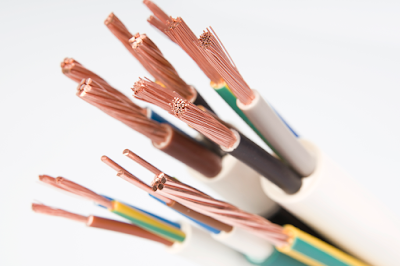
Electrical industry has benefited since the time copper as a metal has been put to extensive use in various applications. Copper Wires can be said to have revolutionised the world and given the most optimum solution for different purposes. Copper’s high electrical and thermal conductivity is one of the many reasons for this metal to become a favourite choice to be used in wiring for residential as well as commercial reasons.

Its ductility, tensile strength, flexibility, corrosion resistance and low maintenance demands are a few add-ons to make it accepted all over the world for its exceptional properties. Copper wires, in order to meet different industrial demands are manufactured as Bare Copper Wire, Insulated Copper Wire, and Wire of Copper Alloys.
https://www.ganpatiengineering.com/bare-copper-wire.html

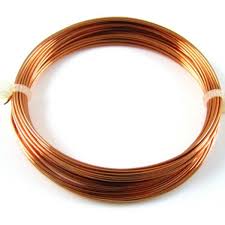
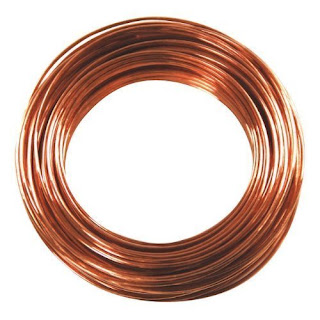
Bare Copper Wire is a single or multiple strands of wire which may or may not be insulated. It is also called ground wire and is used where no insulation is required. This wire has specific uses. It is put to use where more flexibility is required, especially if it is to be bent, without making it lose its productivity or efficiency.

The places which experience such weather conditions which can reduce the workability of wire, if it is insulated, find bare copper wire to be ideal. Solid and stranded bare copper wires are suitable for overhead transmission and distribution applications. Stranded conductor of greater flexibility is suitable for uninsulated hook up, jumpers, and grounds in electrical construction.

Bare copper wire which boasts of durability and easy installation are used in conductor applications especially in transformers and motors as magnet wires. This wire forms the base to construct braided copper wire to build an assembly. Tin or silver coating on bare copper wires is done at times to increase longevity of the wire and better performance. One cannot contest their safety and durability as these wires are fire resistant and creep resistant, making them safer to be used even in the environment with adverse conditions.
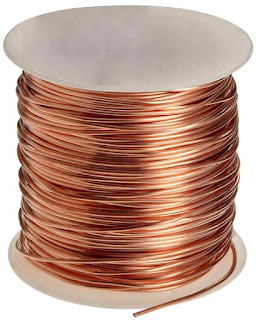
https://www.ganpatiengineering.com/bare-copper-wire.html


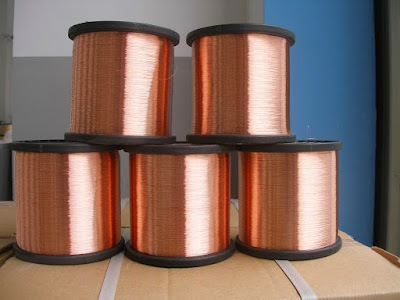
We at Ganpati Engineering have been working tirelessly since 1977 to bring to our clients only the premium quality products that are manufactured by us. Our vast range of products include Bare bunched copper wires, Tin coated Copper Wire, Braided Wires, Glass Wires, Silver Wires, etc. in any size as per the requirements of our customers. The reason for being one of the leading names is making use of copper in its purest or electrolytic form.

We have maintained our expertise in the field as our team comprises of professionals of high calibre along with hard working workers who have been trained and groomed to never compromise on the quality of products. We customise all our manufactured products for our customers and always strive to give them maximum satisfaction. Our online services make it easy for our customers to select what is required by them and place their order. Our updated and well maintained website has all the products very comprehensively arranged to make it an easy search for our clients.

Monday, 28 January 2019

The Points to Keep In Mind While Buying Bare Copper Wire Connectors

Bare Copper Wire, as the name suggests consists of one strand of copper wire which may or may not be surrounded by an insulator. These single strand copper wires are used as magnet wire in motors and transformers. These wires remain stiff and are not capable of bending easily. They are installed where devices are infrequently handled. Copper as a metal has the highest electrical conductivity, especially electrolytic copper which is pure and oxygen free, and has proved to be highly resistant to heat which eliminates most of the issues related to overloading. 

https://www.ganpatiengineering.com/bare-copper-wire.html


Being highly, malleable, ductile and resistant to corrosion, they do not let much breakage even at twisting and turning of the wires and are even suitable in wet places to some extent but their efficiency definitely increases tenfold if they are coated with a metal alloy. This also increases their shelf life. Bare copper wires can be solid or stranded. Stranded Copper Wires are equipped with flexibility that is required with those devices where lots of movement is involved.

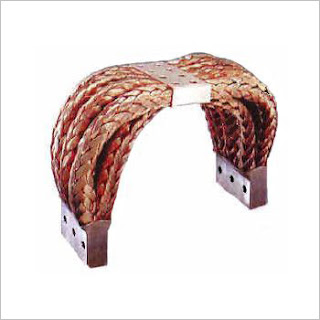
Copper Wire Connectors are made from bare copper wires which are used as joints to connect bus bars. Here, the process involves stacking together the foils of electrolytic copper and applying the current under high pressure. These connectors are of great use in electrical industries like bus ducts, switchgear, power plants, electric locomotives or VCB. 


These connectors may join two lengths of flexible copper wire or connect a wire to an electrical terminal.  They are manufactured for power, signal and control applications. Bare Copper Wire Connectors are used in electric wiring and connections between two devices including grounding/earthing. Connectors are also called terminals that connect two or more wires to a single connection point.

It is important to buy the vast variety of wire connectors from a manufacturer whose authentic products match up with global standards of quality and whose unfathomable determination to provide their customers the most genuine electrical products remains unparallel to others. Indian market too has many manufacturers from electrical industry but it remains a matter of great importance that the chosen one must have experience and expertise in the field and are able to guide the customers in buying the right products. For this, even the customers need to be smart and must find out about the company through its website and the reviews given. 

https://www.ganpatiengineering.com/bare-copper-wire.html


The consumers must compare the prices and quality apart from getting the products customised in size and dimensions, if they have some specific demands. In present situation, it is the easiest task as the websites of the company make their products available for online shopping, which means that these products are available with exact specifications for the customers to have a look and they can shop for the same once they are satisfied in every way. They can even check the authentic certification of the company before placing their orders.

To get the most genuine electrical products, visit Ganpati Engineering and be assured to buy the superior quality stuff from here.  

Sunday, 26 August 2018

Top 8 Advantages to Using Copper Plumbing Fittings

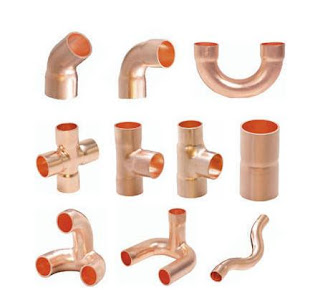
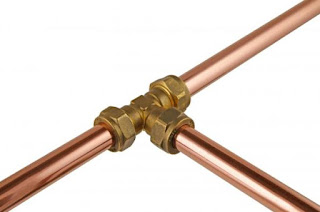
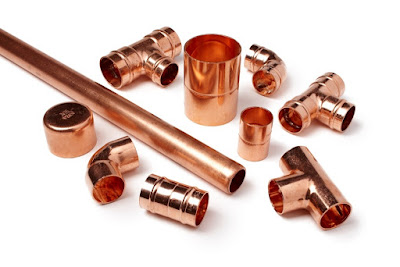
Copper Plumbing fittings are the first choice of building contractors and homeowners. They are used in offices, homes, schools, colleges in short you will find them in every place. The reason is the trust it has developed over the years. The copper pipes are known for the high quality and durability. Let us take a look at the top advantages of using copper plumbing fittings in residential as well as commercial projects.

1.  Affordable:

It comes up as the most affordable plumbing material. When you compare it with other material available in the market then you will find that you are getting high quality material at a very competitive price.

2.  Increase Resale Value:

The home with copper plumbing fittings will help you get good resale value. The buyer knows that copper fitting means reliability. They know that they don’t have to incur any expense on them if they buy the house. Hence, it is advantageous to both seller and buyer.
http://www.ganpatiengineering.com/copper-pipes.html

3.  Enhances Performance:

The premium quality copper pump enhances the performance of the plumbing system. It is one of the materials that gives you trouble free performance for years. It hardly requires any maintenance and continues to give incredible performance for years.

4.  Durable:

When it comes to durability, copper wires beats other materials hands down. It is resistant to corrosion and harmful ultra violet rays. The copper pipes scores here as these are two most common reasons for wearing of water fitting system. Another remarkable feature is that it remains unaffected with variations in water pressure. The climate also doesn’t have any effect on it. These fittings doesn’t become fragile and break with time. Also, there is no probability of crack. The copper wires easily lasts for decades, it gives you trouble free performance. The only thing you need to make sure is that you get the plumbing done from a professional plumber.

5.  Fire Resistant:

The copper pipes are fire resistant. In case of fire it will not melt, break or burn. It can easily withstand the toxic gases released during the fire. It is a big plus point because others made of plastic will not only melt but can also suffocate the occupant of the home. Safety of near and dear ones is always a priority so you can trust copper fitting completely here.

6.  Easy to work:
http://www.ganpatiengineering.com/copper-pipes.html

The plumbers around the world love copper pipes as it is easy to work with. It can be easily bend during the installation. It means the less need of fasteners and other joints.  This reduces the installation cost.

7.  Recyclable:

Copper is easily recyclable hence it is environmental friendly. It is hundred percent recyclable. If you support go green then it comes up as the best option. Although, the question of recycling only comes up when it wears off but that is rare, as it easily last for 50-years.

8.  Completely safe:

The copper pipe doesn’t possess any health threats. It doesn’t rust like iron pipe or melt at high temperature like plastic pipes. It will give you hygienic water without maintenance for years. It also keeps contaminants away from the water supply system.   It is completely safe for your family.

Tuesday, 24 July 2018

Actuality of Electrical Earthing and Grounding

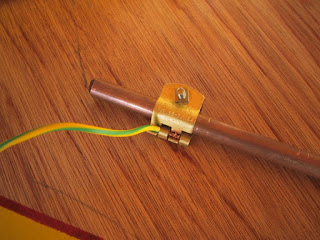
Earthing or Grounding is the process of connecting the electrical metallic parts of any electrical appliance, capable of conducting electricity effectively, to the ground or earth. To put it in simpler words, the metallic parts of any electronic types of machinery when installed with the grounding plate of the earth with the help of a thick conducting wire is called Grounding.


http://www.ganpatiengineering.com/braided-earthing-copper-wire-assembly.html


•    Earthing v/s Grounding v/s Bonding

The word Grounding is used in Americanized standards while Earthing is the European name of the process. In the United States, CRT Earthing Copper Wire comprises of IEEE, NEC, UL, and ANSI while in European countries, Grounding comprises of the terms IEC and IS.

Bonding is the process in which two wires of two electrical appliances join to bring down and maintain a common level of electrical potential.

•    Importance of Earthing

Earthing has the following advantages:

*    Establishes a proper connection between the Earth and the electrical appliances to protect the humans and animals from electrical leakage.
*   Maintains an effective and continuous flow of electricity and consistent voltage even in the occurrence of a fault on any phase
*    Saves the electrical appliances when the lightning strikes
*   Serves as a return conductor in sectors of communication and traction systems
* Rules out or decreases the chances of occurrence of fire in the electrical systems


http://www.ganpatiengineering.com/braided-earthing-copper-wire-assembly.html


•    Types of Earthing and Installation process


There are three types of earthing processes, viz. Plate Earthing, Pipe Earthing and Rod earthing. How these earthing processes take place can be explained in detail below:

Plate Earthing

This system of earthing comprises of a plate of copper or galvanized iron which gets buried in the ground within its moisture.

Rod Earthing


Similar to pipe earthing, this process comprises a copper rod or a galvanized steel rod. These rods get installed or buried in the wet soil with the aid of a pneumatic hammer.


Pipe Earthing
 
This process comprises of the perforated steel pipe of a given length. This is placed in a vertical position inside the wet soil.

Thursday, 24 May 2018

Why Is A Submersible Winding Wire A High Performance Wire?


Submersible Winding Wires are solid or multistranded bare copper conductor insulated to function under water. They are formed by using specially designed poly propylene and insulated polyester. They are used for domestic and industrial uses in heavy duty machinery, equipment and water pump industries, as they are more durable and shock resistant along with being able to withstand sudden burst of high voltage without interruption.

They are safer and more ductile than any other metal. These wires can operate under water for a longer period of time. These specially designed wires are considered to be highly functional in bringing the most desirable results especially where one requires highest insulation resistance. They have proved themselves to be reliable and durable even in the most trying conditions.


Submersible winding wires have taken various industrial segments by storm as these wires with their exceptional qualities have given a reason to be assured of the progress and the growth of the technology. This wire with an immense potential is extremely durable and long lasting. Water base pumps have become more efficient and reliable due to the presence of this amazing winding wire that shows optimal performance at every juncture. Their flexibility and low maintenance feature has brought reassurance that heavy duty machinery or high insulation motors will be used to their best potential.

Ganpati Wires has shown its expertise in manufacturing SubmersibleCopper Winding Wires and proved themselves as truly skilful in bringing the best from the wire which shows a lot of potential in displaying some unique properties which have been so expertly honed at by our wonderful team. We bring to you the best submersible winding wire at the unmatched prices.

http://www.ganpatiengineering.com/submersible-copper-winding-wire.html

Manufacturing wires requires precision, objectivity, experience and a scientific approach, otherwise it may cause a lot of wastage. Some companies hold their expertise in manufacturing the premium quality wires. Ganpati Wires, since 1977 have been the manufacturers, suppliers, and exporters of a wide range of premium quality wires.

Purity and quality have been our main focus and we have always given our esteemed clients a reason to trust us. We are a client-centred company which believes in providing the customised products according to our clients’ requirements. Our experience and skill have always led us to produce the best products at the most affordable prices. Our work indicates perfection which flows from the highly motivated top managers to the workers.

http://www.ganpatiengineering.com/submersible-copper-winding-wire.html
 
We also adhere to the International standards during the manufacturing process. We have time and again proved our expertise and professionalism in any project that has been taken up by us. It is our dedication for our work that has won us many awards apart from building a relationship of trust with our clients. Our eminent and prestigious clients are our most valuable assets and for us customizing our products according to their requirements, is our greatest pleasure.

Wednesday, 24 January 2018

Benefits of Using Braided Flexible Copper Flat Wires

Braided flexible copper flat wires have superior conductivity. Since they prevent a considerable amount of heat loss from occurring, they are a preferred metal for diverse applications. Braided copper wires get less messy than regular wires and can be rolled into square or rectangular shape from a round-shaped roll.
What are the benefits of using braided flexible copper flat wires?


Dependable

This type of copper wire is both sturdy and flexible. This type of wire has improved conductivity and is easy to use in application. As a result, there are fewer wiring errors and minimal breakdown occurrences.

Lightweight

Flat copper wires are sturdier than their round counterparts, therefore they don’t require fillers, tapes or insulation material to be used alongside.
Space Saving

Since tapes and fillers are not required during installation, flat copper wires don’t take up much space. Stacking flat wires is far simpler because they have a square or rectangular cross section.

Strong and Flexible

Flat copper wires are often turned into insulators and conductors and are therefore capable of handling tensile loads. The flat shape and added flexibility of copper improves its use in applications that require high flexing such as in doors, drawers and rotating arms to name a few. Flat fires can bend easily, reach high held locations and do not require fastening during installation. It also facilitates locking and attachment.

Widely Used in Several Applications

Copper is known for possessing excellent electrical and thermal conductivity. It is used in many applications and has been transformed into many versatile uses by wire manufacturers. This form of copper wiring may be used in light fixtures, printers, computers and a wide range of other electronic devices.

Flat copper wires can also withstand water, heat and humidity. They are highly useful in automobile and marine applications, i.e. ship building.

Non Industrial Applications

The shiny appearance of copper lends itself to non-commercial and non-industrial uses such as jewellery crafting, fishing line production, particularly for deep sea fishing, etc.

Different Forms

Apart from braided flexible, copper wires can be transformed into plated, stranded and coated. Copper wires can be used for applications in the sea and land.

To learn more about braided flexible copper flat wires or to place your order, please visit Ganpati Engineering.


Tuesday, 7 November 2017

WHY IS TINSEL COPPER SO FLEXIBLE AND POPULAR?

Tinsel wire is a type of electrical wire. It is processed and flattened with cadmium copper and silver plated copper. After these processes, the tinsel copper is braided, stranded or twisted to get the final product. 

It exhibits mechanical flexibility which is why it is often used in cords made for handsets and telephones. Tinsel’s extreme flexibility makes it resistant to metal fatigue, therefore making it very different from regular stranded wire and solid wire. 

http://www.ganpatiengineering.com/tinsel-copper-wire.html

Tinsel wire is made with several thin copper wire strands that are wrapped around a core, usually made from textile. Copper wire is often used because after silver it is one of the best conductors of electricity. However copper is much more reliable and cost effective material for power transfer and manufacturing electronic gadgets and goods. Copper is also the ideal choice for transferring power over short to long distances.
 
Apart from being used to make electronics and electrical components, tinsel copper is frequently used to make jewellery, utensils and deep-water fishing implements. It is an invaluable alloy in the chemical industry.
 
The telecommunications industry also makes extensive use of tinsel wire. Apart from telephone cords, tinsel wire is used in telecom cables and speakers. The tinsel wires in these applications are made from electrolytic-grade copper foils that are annealed. Copper wires are then wrapped along a textile core or nylon thread. This lends resistance to breaking and extreme flexibility to tinsel copper wires. 


To make a wire to wire connection, you simply have to connect these wires with one another by piercing through the covering. You are not required to strip the insulation.
 
Tinsel copper wires are used by electricians, electrical engineers, product designers and technology developers.
 
To learn more about tinsel copper wires or to place your order today, please visit Ganpati Engineering.

Tuesday, 5 September 2017

BRAIDED FLEXIBLE COPPER WIRE: WHAT IS IT AND HOW IS IT USED?

Copper wires are available in many sizes, variations and shapes. Their physical characteristics determine their used. For instance, the type of copper wire used for automotives is very different from what is used for appliances and computers.

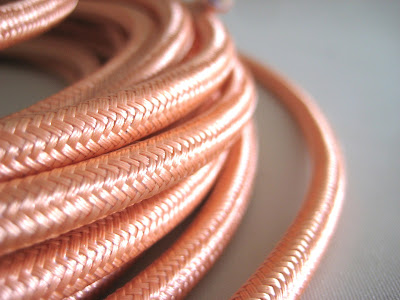
In general, there are two types of copper wires: cables and braided wires.  Braided flexible copper wire and cables are sold in the market as stranded or solid. Although the former is flexible, both types are conductive. Braided flexible copper wire is an example of stranded wire. It is not used much in electrical purposes, but rather to support and coat other wires. Braided copper wire is a tough and malleable material. It is often used to coat hoses to prevent them from tearing and bending.

http://www.ganpatiengineering.com/braided-copper-wire.html

What is braided flexible copper wire?

This type of wire is used in flexible applications. It can be easily moulded into a flattened or tubed shape, depending on its use. Braided flexible copper wire is made up of shielding, conductive metal and is grounded at just one end. For example, tubular braided copper wire forms a protective coating around the group of conductive wires it protects.

http://www.ganpatiengineering.com/braided-copper-wire.html

How is braided flexible copper wire used?

This type of copper wire is used in many daily functions. For instance, if you’re using a coaxial cable to plug in your television, it’s a braided flexible copper wire. If you like to listen to music on a speaker, it is likely connected to the system via a rounded braid copper wire. Since braided wires comprise of individual wires bunched together, they form a strong, conducive single wire. Sometimes they are also used in grounding straps. 

What are the benefits of using braided flexible copper wire?

Due to the flexible nature of this type of wire, they are easy to bend especially around difficult corners. They are also less likely to snap. Braided flexible copper wire is an ideal choice for most types of electrical work such as in homes or electronics. Due to its built-in insulation, it is resistant to corrosion and interference.


Monday, 12 June 2017

Why is it Important to Choose Submersible Cable Facility Wisely?

A pump that is set underwater needs submersible cables to connect it with the power source to pump automatically. There are differences in the wiring styles that are employed according to the situation. The surroundings that need submersible cable wiring includes places such as dewatering tanks, deep wells, pumps submerged in fifty meters depth of water and for the areas that are the prime source of drinking water.

These are utilized in an environment that contains pump facility placed in deep-well conditions. These cables are made of three to four wires according to the model. These types of submersible wiring wire are created to be implied into the hostile places. It is because of the reason that these areas are hazardous and extra caution should be taken during manufacturing these cables. It is to make sure that the safety against moisture, abrasion, grease and oil allowance for longevity. 


The Basic Qualities of these Wires

PVC 3 core and PVC 4 core wires are round and are delineated for places that possess excessive sewage and different acidic qualities. These wires are obtainable in three and four wires that rely on the necessity of the pump unit. This type of cable is mostly employed in dewatering pump facilities. This style of the cable also provides security against acidic fluids, abrasion, and chemicals. The rubber three core and rubber four core flat designs are made to supply power which is attached to submersible pumps approximately five hundred meters deep. Built for water and oil resistant, the thermoplastic rubber supplies requires the amount of insulation.


To defend the core insulation, an extra heavy thermoplastic rubber is included. The extra safety permits for a shield against the streaming water and abrasion from the persistent movement because of the water fluctuations. Similar to the flat version, both the rubber core round designs also help intercept tears and cuts made from corrosions that can take place during the time of use. The models are designed to resist the weather, resistant to oils, chemicals, solvent and impact resistance. It usually relies on the location of the pump. These Submersible Wires are well-made product and come with total safety.

Thursday, 23 February 2017

Let us know more about the various uses of aluminum wire!

Aluminum is a naturally occurring element with in the earth. It has many beneficial purposes and thanks to the mother nature, that we have it in abundance. This is another reason why the prices of aluminum are so low. This versatile metal is used for several purposes and therefore, we are somehow within the reach whether inside or outside our house. Aluminum wire or rod is used in many forms and you can see it somewhere or the other in your bathrooms, kitchen, airplanes, industries, electronics, vehicles, etc.


Aluminum is a metal that can easily bend and therefore can be shaped into any design. It is highly preferred to be used in the production of the mechanical parts of airplanes and automobiles because of its great non-corrosive nature. For the houses that are situated closer to the salty sea air, aluminum is the best material to be used for window frames and is recommended by home makers and interior designers around the world.

It also used in the manufacturing of tins, and other packaging materials for edible oils to be transported from one place to another. You might have seen aluminum tins of edible oils in your kitchen. Not just tins, but look around in your kitchen, you would find numerous things that are made of aluminum like wires, inductions, rods, aluminum foils, cold-drink cans, etc. Apart from this there are also various electronics that are of daily use that can be seen in the kitchen. This is because aluminum is very light in weight, resistance to corrosion, is of low maintenance and low cost.


What are the qualities that makes aluminum wire different from other metals? Aluminum does not only have a non-corrosion nature, but is also a great conductor of electricity and heat. Thus, it is not only used for induction purposes but is also highly preferable to produce electrical components like wires, filaments and electric grills, etc.

Aluminum is therefore a sumptuously versatile element and through various techniques of aluminum bending, it can be employed to serve countless purposes.

Tuesday, 20 December 2016

Do you know why copper wires are used to make water pipes?

Copper is one of the most used metal in making water pipes around the world. And copper has its own reasons for leading on top. Copper Pipes is durable compared to other similar metals and can be recycled time and again. Because it can be recycled, using copper wires are the best metals to be used for water pipes, because they won’t impact the environment as much as other non-recyclable metals would do. The cost initially invested in the copper water pipes can be huge but their durability makes them long lasting and a fair deal.


If you are still looking for more reasons to understand why copper wires are used to make water pipes, here are to name a few:

  • Considerations: Plumbers prefer working with copper wires because they are malleable and light in weight. They are also easy to fit onsite and are easier to customize. It requires minimal tools and less efforts comparatively, to fit a copper wire. It is definitely easier and quicker to install compared to other metal pipes.
  • Significance: Copper wires can resist corrosions in areas with neutral-pH water. They do this by forming a protective thin coating inside the pipe. This helps in keeping the structural integrity intact. This also allows a smaller-diameter pipe to do maximum consistent water flow. These factors make copper not just one of the most durable and reliable metal for pipes, but also one of the lowest cost metal with better value.
  • Benefits: Everyone knows, copper is a good conductor of electricity and heat and this makes it the most preferred metal. This property of copper allows the copper pipes to get warm during exposure to hot water and stay warm for long. This helps to keep hot water at a consistent temperature when it travels through the house. The conductivity of copper makes it the perfect choice for radiant heating systems which pump hot water through the floors to heat a room.
Ganpati Engineering is the industry leader in high grade copper pipes manufacturer and other copper products. We have more than 20 years of experience in providing copper related products to industrialists and suppliers all over the world.

Friday, 14 October 2016

Here’s everything you need to know about copper wires!

During our school times, we have studied about a lot of metals that are used for various purposes. Copper is among them. Copper, as we all know is a soft, ductile, and a malleable metal. It has a high electrical and thermal conductivity and we know it is highly used as a conductor of heat and electricity. Also, it is used as a building material, and sometimes as a constituent of various metal alloys. But is that all? Of course, not. So, let us understand it more.


Why is copper used in electricity wiring?

Copper has incomparable current carrying capacity which has set high standards of conductivity. Due to its high conductivity and efficiency compared to other metals, it is not only used in electricity wiring, but has also become an international standard to which other metals are compared.

What are the main uses of copper wires?

Copper, as said above, has excellent conductivity power and thus is highly used in electrical motors and generators, for electrical wiring, and in electronics such as Televisions, Radio sets, air-conditioners, vehicle radiators and home heating systems, etc. In other words, Copper wires are mainly used in power transmission, power generation, power distribution, electronic circuitry and telecommunications.

What are the properties of copper wires?

Copper wires have some great unsurpassed properties that are rarely found in other metals and thus these are highly used. It includes, tensile strength, ductility, creep resistance, corrosion resistance, coefficient of thermal extension, thermal conductivity, ease of installation and solderability, etc.


Tasks related to installation of wires and dealing with other repairing and construction work for electronics, are best done by the experts, isn’t it? But finding the expert and the best possible way to get things done, is certainly your job. In such a competitive world, the numerous companies out there will try to woo you with some offers, great deals (or at least will seem like one), or maybe discounts, etc. but which out them are real? Don’t worry Ganpati Engineering is one place where you’ll get it all.

Ganpati Engineering Industries, running since 1977, is a trusted stranded copper wire Supplier. Their heavy range of products like the Bare Bunched Copper wires, Bare Copper Wires, Silver Branded Wire, Braided Copper Wire, Tinsel Wires, Tin Coated Copper Wires, etc. has made them a leading copper wire manufacturer in the industry.

Wednesday, 21 September 2016

Top 5 Reasons why Copper Rules the Medical Industry

Medical industry has advanced from being a service-driven sector to a technology-driven industry. In the last 25 years, more than 10,000 innovations in medical and surgical instruments have led to significant reduction in mortality. Surgical instruments and diagnostic tools now come with precision that helps the operator to make the right decisions.

Despite the rise of titanium and platinum instruments, copper wires and plates continue to rule the medical industry.

Here are the 5 reasons that make copper wires so popular and reliable.

1. Zero bacterial infection

Copper wires are used to tie up joints and bones fractured due to high impact. Due to interaction with blood and moisture, there is always a risk of being inflicted with internal infection. Once sutured, it is difficult to open up the wounds again and re-attend the infected site. That’s precisely the reason why medical industry prefers high quality bare copper wires to reattach joints and bones.

2. High corrosion resistance

Internal rusting has two downsides. One, rusting makes the material weak for use. Secondly, it can lead to secondary infection. Use of copper wires removes these chances by 99.90 percent. High corrosion resistance offered by bare copper wires as well as alloyed copper wires ensure longer shelf life and durability.

3. Disposable and hygienic operations

Irresponsible needle use is the leading reason behind diseases. Diseases and infections can be caused due to secondary transmission of virus. This is where copper wires are rated way higher than other metals.
Copper wires are drawn into thinnest of needles with size varying from 5 mm to 13 mm. They are hygienic and attract no risk of infection. However, they are still used just once to avoid the risk of AIDS-HIV/ Hepatitis. Disposable syringes made of other materials are hardly recyclable and also cost much higher compared to the bare copper wires.

4. Unbeatable strength

Sports persons have a tough time saving their jaws and teeth. Copper braces and shielded copper wires provide definitive shield against high impact blows, corrosion due to saliva and also against the food. Copper wires in orthodontics are rated as the best in the medical industry. Sportspersons involved in boxing, rugby, football, hockey and also gymnastics rely on the bare copper wires orthodontic sets to keep their teeth safe and intact.

Thanks to their compatibility with other metals, alloys and organic fibers, orthodontic copper wires are available as—

Traditional metallic braces
Ceramic copper wired braces
Invisible lingual braces

The braces made of copper wires can withstand the effects of high temperature foods as well as carbonated cold drinks. They also reduce the risk of infection inside the mouth by 99 percent, due to their anti-bacterial and anti-fungal properties.

5. Easy penetration

This is the reason why Copper wires are used as intrauterine devices. Copper-T wires are considered as the safest and cheapest mode of contraception for females. The long-acting reversible contraception device comes with a failure rate of less than 0.08 percent. While copper wires are easy to penetrate, they don’t interfere with the sexual experience in any way.

Tuesday, 23 August 2016

A look at Top 4 Configuration of Stranded Copper Wires

Let us take a look at the differ configuration of stranded cooper wires.


1. True Concentric

These wires have a central copper wire. This core is surrounded by a successive layers of alternately arranged strands with the length of each layer slightly larger than the successive layer. The lay direction is established by the twisting of the machine during the stranding process.
The lay length in these wires keep reducing as the layers are added to the inner strands.

2. Equilay

Also called as equally laid concentric cables, these stranded types of copper wires have helically arranged strands. The lay length is consistent unlike that in the true concentric strands. Rest of the features are same as that of its true sibling.

3. Unidirectional 

This is a special case of concentric stranding where the helically laid strands are laid in the same direction with increasing lay length. These configurations allows the conductor cable to be laid in a tight geometry with lowest tolerance for diameter variations throughout the length of the wire.
The wires are preferred for motors and transformers featuring in the high torsional simulations, like in automated production lines or in robotics. In short, it is easy to classify unidirectional stranded wire cables as “Robotics Cables”.

4. Rope

Rope stranding is also a type of stranded wire configuration where the strands of copper wires are arranged in a circular manner mostly comprising of 7 or 19 members. It is witnessed that the Rope stranding has the highest twisting and bending flexibility compared to other stranding mechanisms. The advantage of using Rope stranding is that the manufacturer can add successive layers of strands without compromising on the diameter tolerances, already fixed for the appliance.
Identification of Stranded Cables

Stranded cables are extensively used as Power cables and Submersible winding wires. Depending on the laying of the wires, they are classified into three families.

  • Class B Power Cables
  • Class C with higher flexibility quotient than Class B stranding
  • Class D with highest flexibility, accommodating additional layers of stranding within diameter tolerance limits

Another classification of the stranded copper cables is done on the basis of rope layout and the kind of application it is employed in.

  • Class G covering the Portable winding wires
  • Class H Enamelled copper wires with polyesterimide insulation for better flexibility
  • Class I cables for motor leads
  • Class K stationary cables for cord and winding of No. 30 AWG wires
  • Class M No.34 AWG Constant service

There are other braided varieties of the copper wires that more or less add extra level of robustness into the configuration. They are:

  • Loaded twisted pair with extra inductance, used in load coils
  • Bonded pairs
  • Ribbon cables for connectors and printed circuit boards

Litz Wires

Extensively used in electronic circuits, Litz wires are insulated strands of thin copper wires woven or twisted around each other to reduce the Skin Effect and Proximity Effect.

They are used in transformers and inductors operating at high frequencies.

Tuesday, 26 July 2016

Copper Wire Manufacturing for Industrial Applications

Copper is a very useful metal considering its wide scale application. It is used extensively as a manufacturing material in the production of engineering equipment, electrical circuits and medical utilities.

Annealed copper wires are softer and flexible enough to be extruded into even thinner wires. This is when they are best suited to undergo the process of coating. There are different types of coating done on the copper wires.

Coating of wires

Copper wires are covered in a variety of materials like plastics, rubber polymers, resins, and varnishes. Depending on the purpose, the material, thickness and the life of the insulator can be decided. Copper wires are insulated using the following methods.

Single cable

When the copper wire is single and has only one cable running inside the insulation channel, it is called a solid bare copper cable.

Co-axial cables

Two or more copper wires are wrapped in a concentric manner to give rise to a structure called coaxial cable. The two coaxial wires are separated by an insulation medium like resin or paraffin wax.

Taped wires

Two or more strands of the bare copper wires can also be tapped together using preservative materials like lead, aluminium sheaths or steel tapes. The taped wires are precursor model to the heavier stranded copper wires that are manufactured using disks and bobbins to derive huge spools of stranded copper wires.

Stranding of wires

Stranding in bare copper wires is a very important process. The flexible cables are twisted into a pair of coupled wires, much like coaxial wires. There are 10 different insulation codes for industrial applications, which often vary from one country to another. The insulated copper wires can be combined in more than 25 different ways to form the various categories of stranded copper wires.

Use of stranded copper wires

The engineering and metallurgical property of stranded copper wires are definitely better than the other types of copper wires. They are annealed, insulated and paired for better results. They are used in;

  • Multi-circuit electrical boards
  • High resistance industrial applications
  • AC line servicing
  • Musical instrument cables
  • Machine cables and ropeways
  • Control cables

Braiding of wires

Braided copper wires are advanced siblings of the stranded wires. When more than two types of copper wires are combined in the form of multiple strands, it is called as a braid. The Braided Copper wires have higher range of applications than the solid cables as well as the much closer variety, the Stranded ones.
Braided copper wires are flexible as well as sturdier than the stranded copper wires due to their multiple stranding. Braiding of copper wires into a bundle ensures higher break resistance and strength. However, the cost of manufacturing the branded copper wires also increases as the number of strands in it increase.

Testing and transportation

Each strand of copper wires has to be tested for safety and performance. Any failure in a single item could result in the loss of the entire stock. The most common method to test the physical strength of the copper wires is to perform a High-Voltage Test after doing Core-to-Sheath test. The electrical integrity is then checked with random scales measuring the resistance, capacitance, unbalance and electromagnetism.

Wednesday, 1 June 2016

A look at the Significance of Armoured Cables in Electrical System

You must have come across armoured cables several times in the context of wiring. However, you might not be very familiar with the concept associated with it. At the same time, it is also crucial for you to know its significance in the electrical wiring systems. Therefore, in this article, you will find more information on these cables and the purposes they serve in different applications. Accordingly, you can make your move in the best way. Some of the popular types includes:-

1 Al PVC Strip Armoured Cables
2 Cu PVC Strip Armoured Cables
3 Cu XLPE Wire Armoured Cable


What are these cables?

Armoured cable can be referred to as a power cable, which is usually made by assembling two or more electrical conductors. These electrical conductors hold each other tightly in an overall sheath. It comes with high protective covering so that it can be easily used for the purpose of transmitting electrical power from one point to another. It can greatly serve the purpose of underground needs of wiring. The installation of these cables might be rightly followed as a source of permanent wiring within the buildings. At the same time, they can run overhead or buried in the ground. At times, they can be left unexposed without the threat of any damage from the extremes of weather. These cables are available both as single conductor cables as well as multi-conductor cables.

In a more precise term, it can be said that the armoured cables are electrical cables that do not come with galvanized or stainless steel wrapped over the conductors for carrying out insulation. They are often coated with plastic sheaths in the outward area for supplying the main distribution and buried feeders.

The Significance Of These Cables:

Prior to using them, it is crucial to understand the significance of these cables. These are highly significant because of the immense amount of protection they offer. Consequently, it makes the process of electric transmission less risky. At the same time, it often acts as one of the major circuit protective conductors providing adequate amount of earthing to the equipment that is supplied by the cable.


Things To Know On Its Earthing:

In this context, it is crucial to note that the earthing capability of the wire has been in debate. A single cable does not come with a ground wire and the sheath is used only for the purpose of protection. Hence, it is always recommended to earth either one or both the ends of the cable. If both the ends are grounded, circular current pattern can flow between the armoured cables. Grounding only one end means allowing bleeding of voltage. The voltage might be induced in the sheath without creating any form of circular current.

At the same time, many are not aware that single cored cable does not contain any magnetic field from other two phases. When there are three phases in a cable, the magnetic field is zero. In a single core, there is no need to go for any cancelling effect, and the voltage is induced in the armour by the magnetic field.

Friday, 15 April 2016

Understanding The Difference Between Bare Copper Wire & Tinned Wire

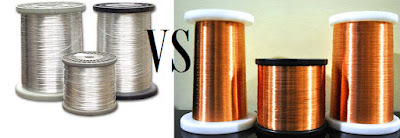
In today’s date, copper is widely used as a metal in wide varieties of applications. However, based on the nature of the application for which copper is used, the nature of the metal used will vary. In some cases, bare copper wire can serve the purpose of the application, while in some others it has to be tinned. Asking which one is good will not gives any specific guarantees regarding the performance. There are good bare coppers and bad tinned wires and vice versa. As mentioned, it will largely depend on the purpose of the application, as a whole.

Bare Versus Tinned:

http://www.ganpatiengineering.com/
 

There are several controversies and opinions regarding the nature of the copper wire for different applications. Well, it is true that fresh and new bare wire made of copper can perform excellent, but at the same time, it can even oxidize quickly than the tinned ones. This in turn leads to the degeneration of the electrical performance.

As the metal is thinner, the chances of oxidation are more, and this in turn will create an impact on the application. In such a situation, it is often thought that tinned copper wire is an easy and effective way of keeping the conductor wire from getting oxidized. When copper is oxidized, it turns green, which in turn becomes a semi-conductor. This is definitely bad for good conducting bare copper wire.

There are two ways of preventing the process of oxidation. Something might be put over the metal to prevent air from reaching the surface. After all, air contains moisture, and a slight amount of moisture is enough for oxidation. When there is no air, there is no oxide, and hence no corrosion. Soldering wire can often help in sealing the copper. On the other hand, another way to prevent copper from getting oxidized is putting a layer of tin on the copper. Consequently, even when the insulation is stripped off, air will have a lesser chance to enter and cause the formation of copper oxide.

Problem With Tinned Wire:

However, tin layered copper wire also shows problems in the course of time with the increase in the frequencies of the wire. When the entire conductor is used, the tin layer can protect it. However, as frequencies go high, the amount of conductor used is less. Consequently, the tinned layer becomes prominent and affects the performance of the conductor.

It is important to remember that tin has almost about seven times the resistant capacity of copper. Therefore, if any application at 1MHz or higher should not contain any tinned coating. On the contrary, bare copper wire is ideal for the situation. This implies that video cables, category data cables or digital audio cables should be made of bare copper without any tinned coating on it. This is because they are used for high frequency applications. The tinned copper wires are usually preferable for low frequency applications, and they will tend to last longer.

Hence, understanding the application frequency is crucial in selecting the type of wire.

Friday, 18 March 2016

How To Bend Your Copper Pipe?

There are several reasons for which you might have to bend copper pipes. Even though several types of piping are available today, many people still prefer the traditional pipes made of copper. These can be used in behind walls and are available in the forms of rolls. If you want, you can mount them on the surface of the wall or bend them, as per your needs.

In fact, you might not be aware that there are several ways through which you can bend your copper pipes. Every time you may not require specialized plumbing tools for the same. Here are some of the specialized methods that you can follow in order to bend the pipes. 

http://www.ganpatiengineering.com/bunched-copper-wire.html


The useful tools for this purpose are:
  • Blow torch,
  • Dry sand and funnel
  • A vice
  • Bucket of cold water
  • Pipe benders
  • Pipe bending springs
  • A square to check the angle of bend.

Make sure that you always use protective gloves and safety glasses while carrying out this function.

Support During Bending:

Supporting the copper pipes during the bending process is essential in order to prevent them from getting collapsed or pleat. Make sure that regardless the method you follow, you support the pipe in some way or the other.

Using blow torches-

This is required in order to bend the tubing. You will have to solder the pipes so that bending is easily managed up to the desired temperature. However, if you have lots of pipe work to do, going for an oxy-acetylene torch will help in effective heating of the pipes to the point that they will bend the pipes.

Using pipe benders-

http://www.ganpatiengineering.com/braided-copper-wire.html
 

These are designed as per the sizes of the pipes. If you have different shaped pipes, you will have to invest in an entire set of pipe benders. This in turn will make the work accurate, easy and you will not need any kind of heating.

Using Pipe bending springs-

You can heat the copper pipe until it is red hot and achieves the length of the bend. The pipe can then be slipped into the spring easily so that you can bend the pipe supported by the spring. It is here that you will need to cool the pipes with a bucket of cold water. These springs can be less expensive than the pipe benders. Moreover, they can be stored and transported easily from one place to another. It is one time investment and you can use it whenever required.

Using sand for support-

You can bend copper pipes even with sand. Make sure that the sand is dry and fine. Block one end of the pipe with newspapers and fill it with sand. The sand should be compact. Air or moisture in the pipe will make the pipe fold and collapse. When you cannot put in any more send, block the other end, heat it until red hot and bend it manually.

These things can serve your purpose.